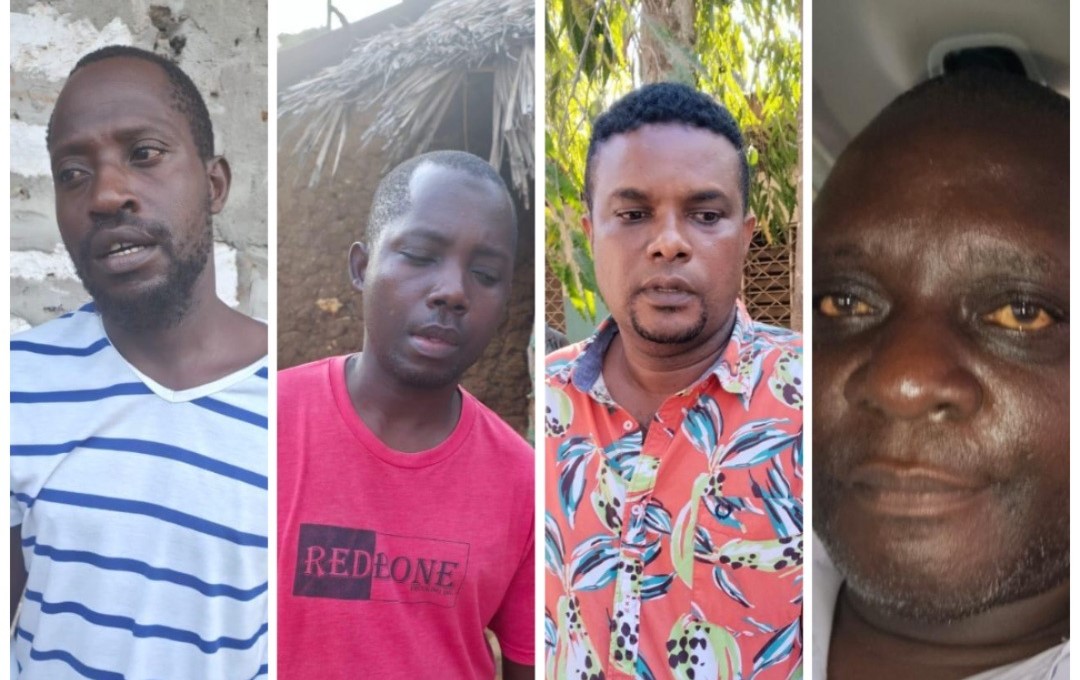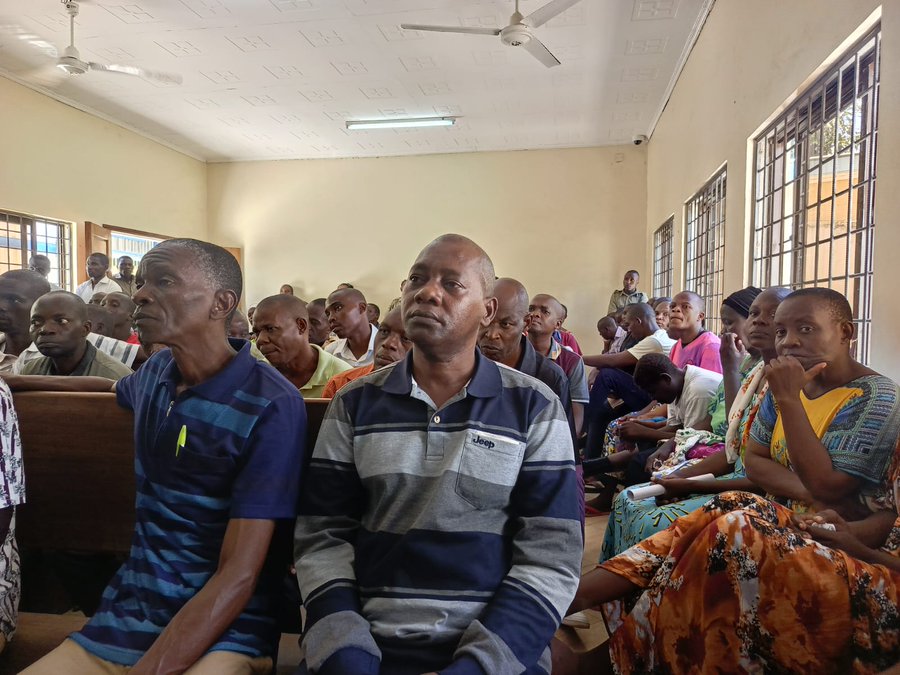
The Director of Public Prosecutions (DPP) has secured a major legal breakthrough after a Shanzu court ruled that controversial preacher Paul Mackenzie and 95 co-accused have a case to answer in connection with the Shakahola tragedy that left more than 450 people dead.
In a pivotal ruling delivered on Thursday, the court determined that the prosecution had established a prima facie case against all the accused, effectively placing them on their defence in one of Kenya’s most shocking criminal cases.
The prosecution built its case on extensive evidence, calling 96 witnesses and presenting approximately 500 exhibits, including testimonies from survivors, investigators and expert witnesses.
The court found the evidence sufficient to require the accused to respond to multiple charges.
According to court proceedings, witness accounts detailed what prosecutors described as a calculated campaign of radicalisation between 2020 and 2023 in Furunzi, Malindi.
Followers were allegedly indoctrinated into extreme beliefs, including fasting to death as a path to salvation—practices that culminated in the mass deaths later uncovered in Shakahola forest.
“The court found that the Prosecution had established a prima facie case against all the accused persons,” the ruling stated, underscoring the weight of the evidence presented.
Mackenzie, his wife Rhoda Mumbua Maweu, and their co-accused face multiple terror-related charges, including facilitating terrorist acts and promoting extremist doctrines that endangered the lives of their followers. All the accused have denied the charges.
Following the ruling, the defence indicated that they would proceed with sworn testimony and call 13 witnesses as they seek to challenge the prosecution’s case.
“The accused persons will give sworn testimony and call witnesses,” the court was told, signalling the start of the defence phase in the high-profile trial.
The Shakahola case has drawn national and international attention due to the scale of the deaths and the disturbing nature of the allegations, which have raised concerns over religious extremism and regulatory oversight.
In a related development, the DPP has closed the file in a separate case involving Mackenzie and 96 co-accused who had been facing additional radicalisation charges. The reasons for the closure were not immediately disclosed.
However, Mackenzie and his co-accused continue to face other legal challenges, including separate charges linked to the deaths of 52 individuals in Kwa Binzaro, also in Malindi.
The court’s decision marks a critical juncture in the Shakahola proceedings, shifting the burden to the defence to counter the prosecution’s case after months of testimony and evidence gathering.
Legal analysts say the ruling signals that the prosecution has met the threshold required at this stage of the trial, though the final determination of guilt or innocence will depend on the outcome of the defence case and subsequent judicial findings.
The case continues to unfold as one of the most complex and closely watched criminal trials in Kenya’s recent history, with far-reaching implications for accountability and the regulation of religious institutions.